
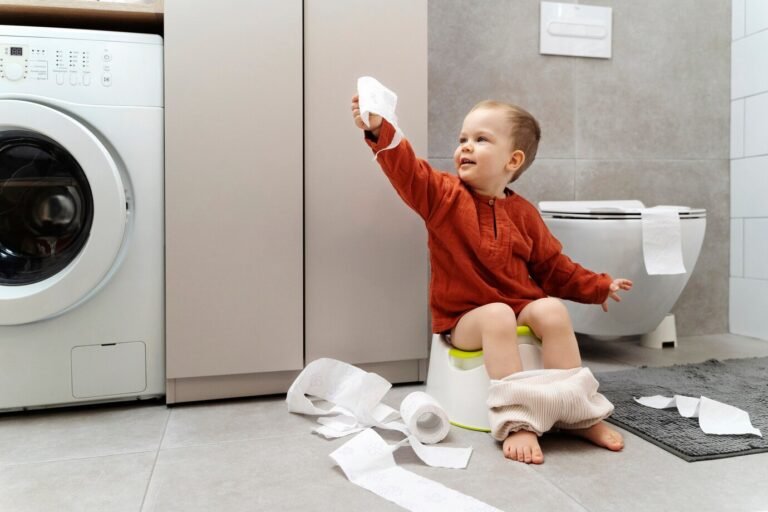
When to Start Baby's Potty Training? Signs, Tips, and Best Practices!
The process of teaching a child to use the toilet stands as a significant developmental achievement in early childhood since parents frequently question the timing of first attempts. Some children quickly want to get rid of diapers, while others show interest later in this process. Each child follows their individual schedule of development since there exists no universal training method.
The following guide provides instructions about child readiness indicators together with detailed training methods alongside recommended solutions to help parents guide their children through this process.
When is the Right Age to Start Potty Training?
You should find the correct time for beginning toilet training with your child. Children signal their readiness for toilet training anytime between 18 months and 36 months of age yet general physical development together with emotional abilities and thought capacity influence their developmental stage.
The earliest start of potty training occurs before 2 years; however, many children display readiness during 2-3 years, while others choose to train after 3 years.
The readiness indicators within your child should take precedence over age-based decisions during the potty training process.
Important Health Considerations:
- Young children lack sufficient development of their perineal muscles that control urine and stool due to their underdeveloped structure.
- Making a child use the toilet before they are psychologically ready generates future health complications by affecting their bladder sensitivity along with resulting in chronic constipation.
- Scientific evidence reveals that hasty potty instruction raises the probability of digestive disruptions and urinary tract infections in children.
- The American Academy of Pediatrics states that potty training parents should wait until their child turns 18 months before beginning this process, and the best time to introduce it is when children reach two years or above.
Signs That Your Baby is Ready for Potty Training
Every child is different, but here are some common readiness signs:
✅ Physical Readiness:
- Stays dry for at least 2 hours or wakes up dry from naps.
- Can walk to the potty and sit down independently.
- Shows predictable bowel movements (e.g., pooping at the same time daily).
✅ Behavioral Readiness:
- Hides or squats when pooping in a diaper.
- Tries to remove a wet or dirty diaper.
- Shows curiosity about the toilet or watches older siblings use it.
✅ Communication Readiness:
- Understands basic potty words like “pee,” “poop,” or “potty.”
- Can follow simple instructions like “Let’s go to the potty.”
- Tells you before or after they go in their diaper.
💡 If your child is showing most of these signs, it’s time to start introducing potty training!
How to Start Potty Training: Step-by-Step Guide
✔️ Step 1: Introduce the Concept
- Your child should watch you and other siblings use the potty while you discuss the idea with them.
- Use children-friendly potty training books to enhance their excitement about learning.
- Your child should have full control in choosing their own potty chair because it creates a feeling of ownership.
✔️ Step 2: Create a Potty Routine
- Subdue your little one on the potty at daily routines (morning, after meals, before naps).
- Assist your child to sit on the potty chair regardless of whether they produce results.
- Commend their attempts with physical touch such as high-fives as well as sticker-based charts and clapping gestures.
✔️ Step 3: Encourage Independence
- Teach them how to pull down pants and sit on the potty.
- Let them flush and wash hands after every attempt.
- Switch to training underwear instead of diapers during the day.
✔️ Step 4: Handle Accidents with Patience
- Control your emotions and support your child through accidents which occur during learning processes.
- Say, “Oops! We should go to the potty as our next attempt.
- Since accidents will occur, keep backup clothes with you as well as wipes for quick cleaning situations.
💡 Consistency is key! The more predictable the potty routine, the faster your child will adjust.
Potty Training Methods: Which One Works Best?
There are different approaches to potty training, and the right one depends on your child’s personality:
🚽 The 3-Day Potty Training Method –The 3-Day Potty Training Method is a rapid way of potty training your child with three complete days of training time that excludes wearing any diapers. Children demonstrating readiness capabilities will benefit the most from this approach.
🚽 The Gradual Potty Training Method – The gradual potty training method enables children to transition from diapers to the potty during three weeks to several months in a patient, gradual process.
🚽 The Child-Led Potty Training Approach – Under the child-led potty training approach, parents let children guide their training through encouragement without imposing deadlines.
💡 Tip: The training method should be structured for certain children but relaxed for others. Trust your child’s pace!
Nighttime Potty Training: When & How?
Potty training during the day is one thing, but staying dry at night takes longer.
⏳ When to Start: Some kids master night dryness months or even years after daytime training.
💡 Nighttime Training Tips:
- Reduce liquids 1-2 hours before bed.
- Take your child for a bathroom break before bedtime.
- Use waterproof mattress covers for easy clean-up.
- Expect occasional accidents—it’s completely normal!
Common Potty Training Challenges & How to Handle Them
❌ Refuses to Sit on the Potty? → Let them pick their own potty chair, decorate it, or make potty time a fun storytime.
❌ Afraid of the Toilet Flush? → Flush after they leave the bathroom to reduce anxiety.
❌ Starts Having Accidents Again? → Potty regression is common, especially during big life changes (new siblings, school). Stay patient and keep encouraging them.
❌ Scared of Pooping on the Potty? → Some kids fear letting go of their poop. Offer rewards, comfort, and praise when they try.
💡 Stay positive and don’t force it—kids pick up on frustration!
Final Thoughts: Potty Training Takes Patience
Caring for a Child Who Is Being Trained to Use the Bathroom Requires True Patience. The search for readiness signals across all ages represents the best approach to determine when to start potty training. The process should be enjoyable with minimal stress, and parents must remain patient because children learn at different rates. Parents should find joy in each small achievement and foster independence.
Pediatrician consultation becomes necessary for children older than three years who show no interest. Your child will quickly learn to master potty training when you apply persistent support together with a small amount of patience.